
Pigeon
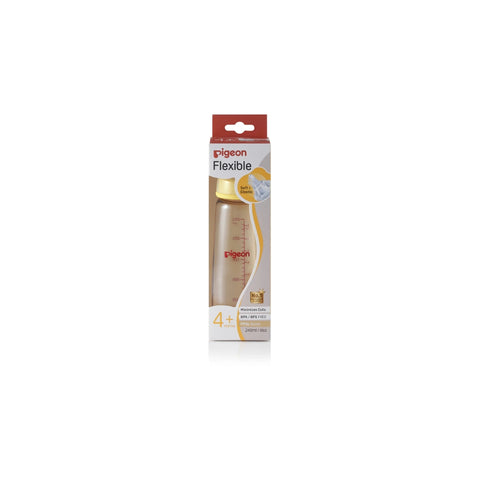
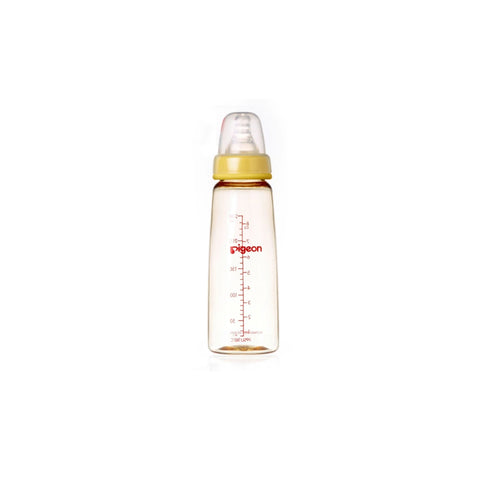
Pigeon | Flexible PPSU Nursing Bottle with Narrow Neck | 240mL | Hong Kong Official Product
Hong Kong licensed product
Origin: Thailand
Sale price:
$79.00 HKD
Regular price:$89.00 HKD
Sale price:
$79.00 HKD
Regular price:$89.00 HKDyou save $10.00 HKD
-
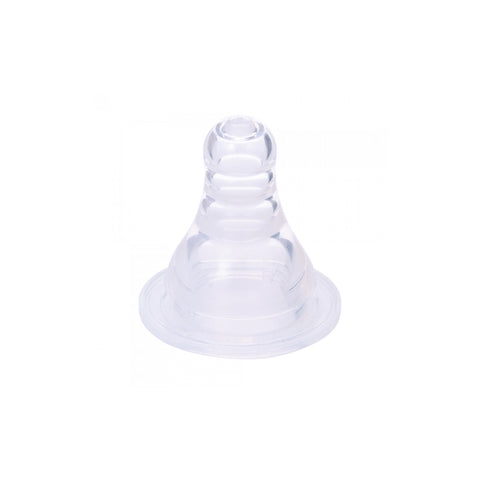
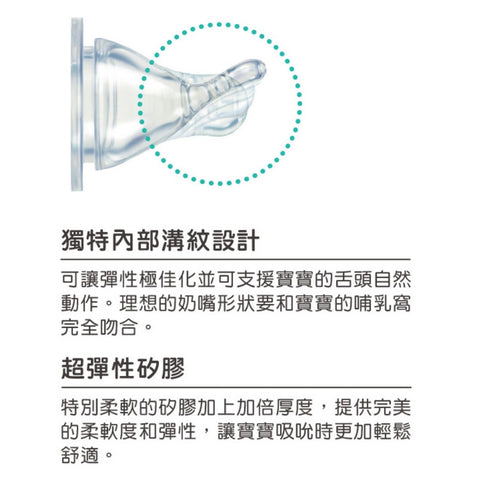
The unique inner grooves of the nipple optimize elasticity and support the baby's natural tongue movement.The ideal nipple shape perfectly fits the baby's suckling fossa.The super-elastic silicone is made of extra-soft silicone with double thickness, providing perfect softness and elasticity for easier and more comfortable sucking.
The bottle is made of PPSF polymer material, which is durable and resistant to high-temperature sterilization. PPSU is widely used in the manufacturing of medical and food contact products. -
How to use
How to clean bottle nipples- Before first use, be sure to wash thoroughly and sterilize in boiling water for about 5 minutes to ensure hygiene.
- Wash your hands with soap before each washing, sterilization, and feeding.
- After each use, rinse immediately with warm water, then wash with a special bottle cleaner.
- Please use a sponge brush to clean plastic bottles.
- To protect the air vent of the nipple and the Y-cut nipple opening, a safe white powdery food additive is applied to the surface. Please wash before first use.
- Gently rub the air vent, air hole, and nipple opening with both hands. Strong washing or pulling may cause the air vent to crack and lead to leakage.
- The nipple tip is very delicate. Please wash carefully when cleaning with a nipple brush.
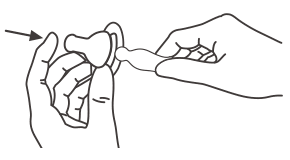
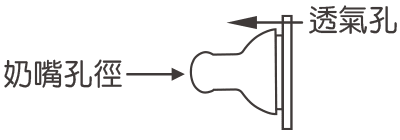 How to sterilize bottle nipples
Be sure to sterilize before each use. Sterilization methods are as follows:
1. Boiling sterilization- After thoroughly washing all parts of the bottle (bottle body, nipple, cap, and hood), completely immerse them in water and bring to a boil. Sterilize for about 5 minutes after boiling. During sterilization, the product may touch the edge of the pot and deform.
- If the product is about to touch the pot during sterilization, use Pigeon bottle tongs to move it away.
- If boiled for too long, the product's lifespan will be reduced.
- Please always pay attention throughout the process.
2. Chemical sterilization- The most convenient and safe method for sterilizing bottles and nipples.
- For chemical sterilization, please use a sterilizing solution specifically for bottles and nipples, and follow the operating instructions of the sterilizing solution.
- When using Pigeon bottle sterilizing solution, continuous immersion for one hour will achieve sterilization and disinfection.
3. Microwave sterilization- Please follow the operating instructions of the sterilizer for disinfection methods.
- Please use according to the operating instructions of your microwave oven.
- Always use a dedicated appliance. Do not directly place bottles and parts into the microwave for sterilization. There must be water in the container when heating.
4. Steam sterilizer- Steam sterilizers can sterilize quickly and easily. All cleaned bottles and accessories can be sterilized using a Pigeon steam sterilizer. Please operate according to the instructions for the sterilizer.
5. Other methods- It is not recommended to sterilize this product using UV light or drying methods! (This may cause the product to wear out faster).
WarningBottle use, storage, and usage- Adult supervision is required when using this product.
- Do not use the nipple as a pacifier.
- Continuous and prolonged sucking of milk may cause tooth decay.
- Always check the temperature of the milk before feeding.
- Keep all items out of reach of children.
- Parents should pay special attention when the baby is teething to check if the nipple is damaged due to biting. Before each use, inspect the nipple and pull it in all directions. Discard immediately if there are any signs of damage or wear.
- Do not expose the nipple to direct sunlight, direct heating, or sterilization (sterilizing solution) beyond the recommended time, as this may make the nipple brittle.
- Bottles are used for feeding babies milk or other liquids. Do not use for other purposes.
- After using this product, store it in a cool, ventilated, dry place or in a dry, covered container, out of reach of children.
WarningHow to prepare formula- When preparing formula, always use boiled water that has cooled to above 70℃. Do not use boiled water that has cooled below 70℃.
- Follow the mixing instructions of each formula brand for the water-to-formula ratio.
- Place the bottle cap with the nipple secured onto the bottle and gently tighten it. Do not put on the bottle cover. Hold the bottle and gently swirl and shake it. Once the formula is completely dissolved, pour in the remaining hot water.
- After preparing the formula, cover the bottle with the cap and place the bottle under running tap water to cool it to a suitable feeding temperature. At this time, flush the part below the bottle cap with running tap water, being careful not to flush the nipple and bottle cap.
- First, ensure the milk is at a suitable feeding temperature.
When using a round-hole nipple (S, M, L): Tilting the bottle after preparing formula may cause liquid to spray out. Wait until the milk flow slows to a drip before feeding the baby.
When using a Y-cut nipple: Due to the tightly closed nipple opening, tilting the bottle will not cause liquid to spray out. After it has sufficiently cooled, check the surface temperature of the bottle.- If the bottle is cold, pouring boiling water into it suddenly may cause it to crack. Please be extra careful.
- When preparing formula, if the bottle is violently shaken up and down, hot liquid may spurt out and cause burns. Please hold the bottle carefully.
- Do not shake the bottle with the bottle cap on. If the bottle cap is on, high temperatures can cause pressure inside the bottle to rise, leading to overflow or spurting of hot liquid.
- Do not use a microwave to heat hot water for formula in the bottle, or to heat prepared formula.
- Avoid preparing formula near the baby, as it is easy to burn the baby.
- Inspect the bottle before and after each use. Replace immediately if any cracks or other damage are found.
Maintenance instructionsPlease refer to the "How to use" section.
